

Other pages about
Battle of Towton
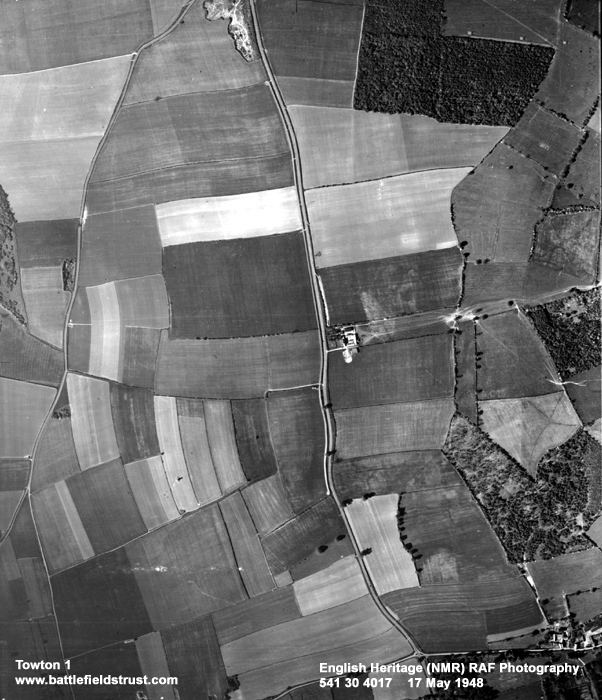
Battle of Towton
29th March 1461
Name: Battle of Towton
Date: 29 March 1461
War period: Wars of the Roses
Strat time and duration: Unknown, but some sources claimed nine hours
Outcome: Yorkist victory
Armies and losses: Yorkist army under Edward IV; Lancastrian army under the Duke of Somerset and the Earl of Northumberland. Claims of 40,000 men on each side are almost certainly exaggerated. Losses: large number of Lancastrians, fewer Yorkists. Chronicle claims for the number of dead improbable.
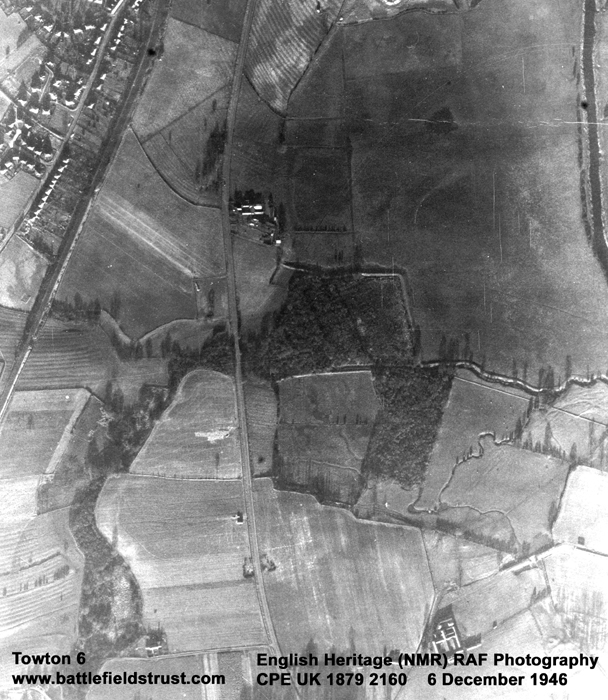
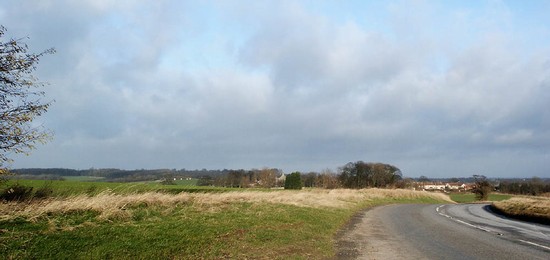
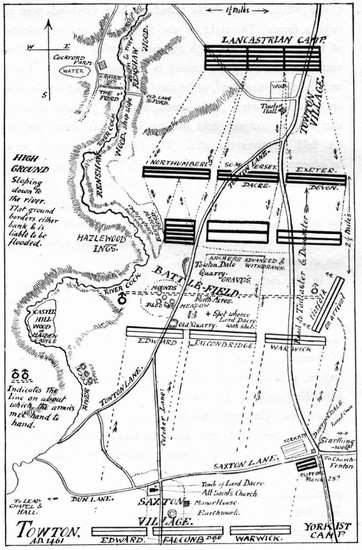
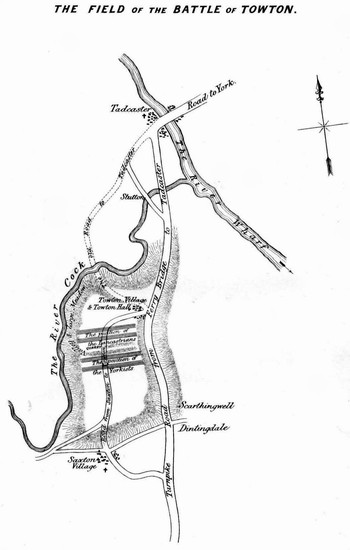
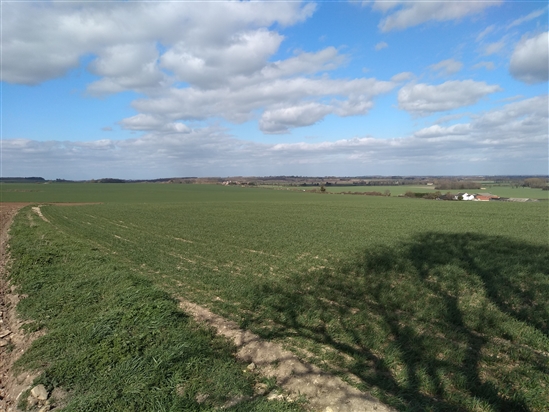
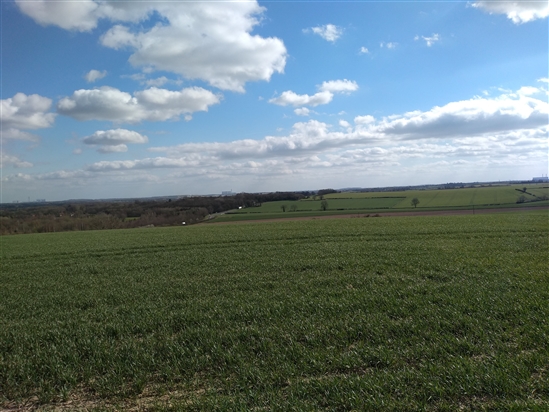
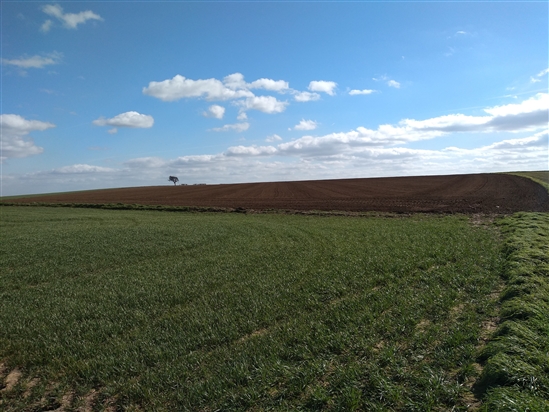
Location: securely located between the villages of Saxton and Towton, fought across open field
Map details: Grid Reference: SE482384 (448237,438420); OS Landranger map: 105; OS Explorer map: 290
A victory for Edward IV over the main Lancastrian army established the House of York as the new royal dynasty in England.
The Act of Accord signed by King Henry VI in October 1460 transferred the right of succession to Richard, Duke of York and his heirs. Queen Margaret was, not surprisingly, unwilling to accept that her son should be disinherited. The Lancastrians once more attempted to resolve the matter through force of arms. In early December York headed northwards, accompanied by his brother-in-law, Richard Neville, earl of Salisbury, and his second son, Edmund, earl of Rutland. He probably intended to travel to York and assert the Yorkist regime’s authority over the rebellious northern Lancastrian lords. On 29 December he was captured at Wakefield, along with Salisbury and Rutland, and all three were put to death by the Lancastrians led by the earl of Northumberland and John, Lord Clifford. The Yorkist cause had suffered a major setback but on 3rd February at Mortimer’s Cross, Edward, York’s eldest son, defeated a Lancastrian army. At St. Albans on 17th February 1461, however, the Yorkists, led by Richard Neville, earl of Warwick, were defeated and Henry VI released from captivity. Despite this latter setback, Warwick and Edward entered London together and on 4 March Edward acceded to the throne as King Edward IV. England now had two kings, a matter that could only be resolved on the battlefield. After St. Albans, Henry's forces had retreated into the north and so, on 13th March, Edward set off to confront the Lancastrian rebels.
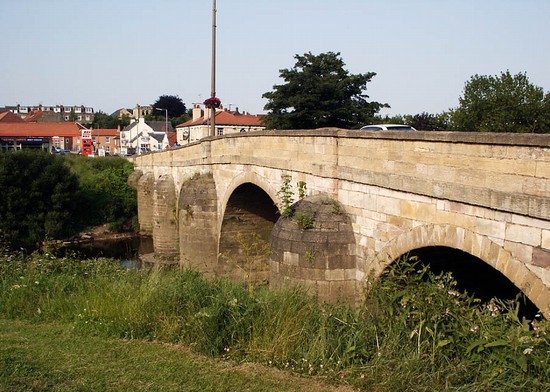
Edward was able to muster a large army, bolstered by troops sent from the Low Countries by the Dauphin Louis, later Louis XI of France, although the claim that he had as many as 40,000 troops is almost certainly an exaggeration. Despite the claims made by pro-Yorkist chroniclers to the contrary, the Lancastrian army was probably fewer in number than that of the Yorkists. The Lancastrians, probably led by the duke of Somerset, sent a substantial force forward to Ferrybridge and on the 28th March, they contested the Yorkist attempt to cross the River Aire. Fighting continued there until dawn on the next day, but eventually the Yorkists secured the vital crossing.
The Yorkists then pursued the retreating Lancastrians along the main road from Ferrybridge to York. Several fifteenth-century sources attest to a second battle on Palm Sunday near Sherburn-in-Elmet. This may be the clash of arms that the Tudor chronicler characterised as taking place at Dintingdale, just to the east of Saxton village. The scene was now set for what has traditionally been described as the largest battle of the Wars of the Roses. On Towton Dale the Yorkists and the Lancastrians met in the third battle fought on Palm Sunday 1461. The Yorkists were led by Edward IV himself (Warwick having been injured earlier in the day), while the Lancastrians appear to have been formed predominantly of fresh forces sent from York that day under the command of the earl of Northumberland.
It is said that Towton was the largest and longest battle fought on British soil, though it seems likely that, even more than usual, the medieval chronicles grossly exaggerated both the numbers engaged and the casualties incurred at Towton. Indeed, the name ‘Towton’ is barely mentioned in the sources before 1471, which suggest that the battles at Ferrybridge and Sherburn-in-Elmet may have been larger and more important than the one fought on Towton Dale. It was not until the 1470s that the battle fought on Palm Sunday 1461 was routinely described as occurring at Towton. Indeed, Towton may have become increasingly important after 1471 as it was a victory secured by Edward himself, unlike Ferrybridge and Sherburn-in-Elmet in which the traitorous Warwick had played an important role. In the short term, the fighting on Palm Sunday secured the throne for the Yorkists, although the Lancastrian cause was far from extinguished. Henry, his extremely ambitious wife Margaret, and his son and heir had all escaped.
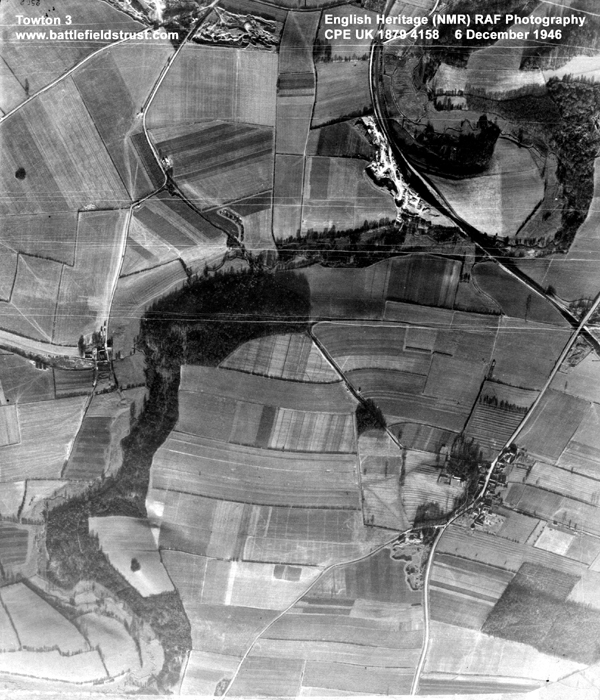
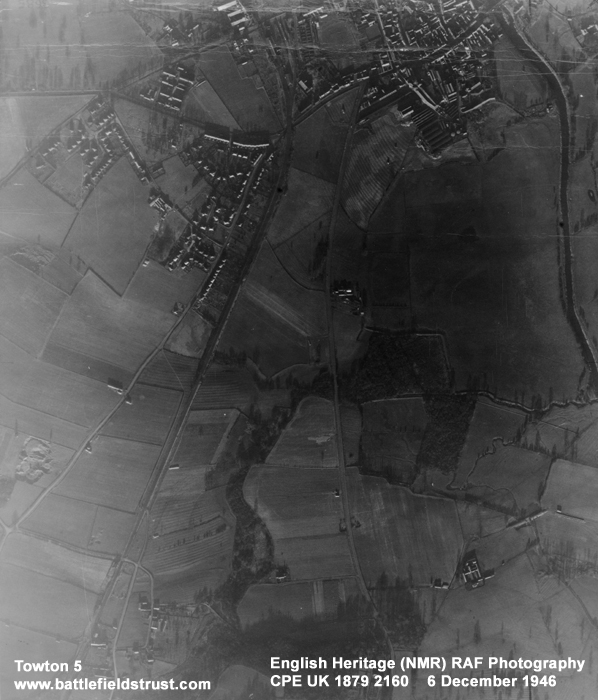
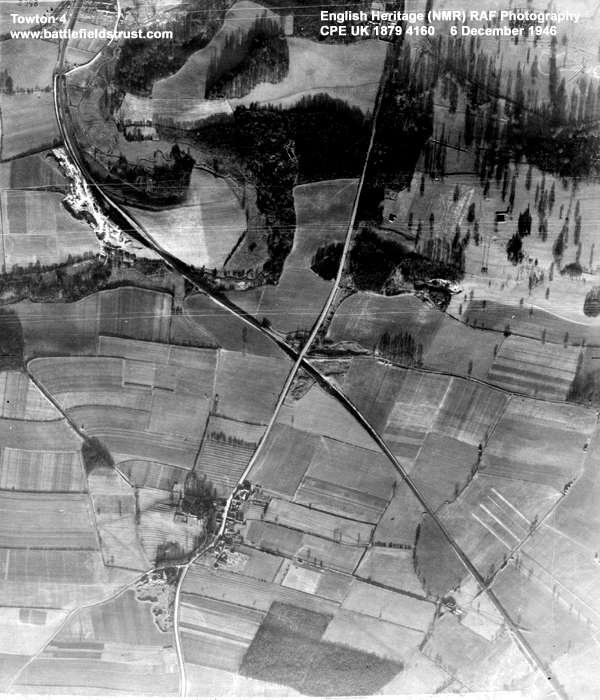
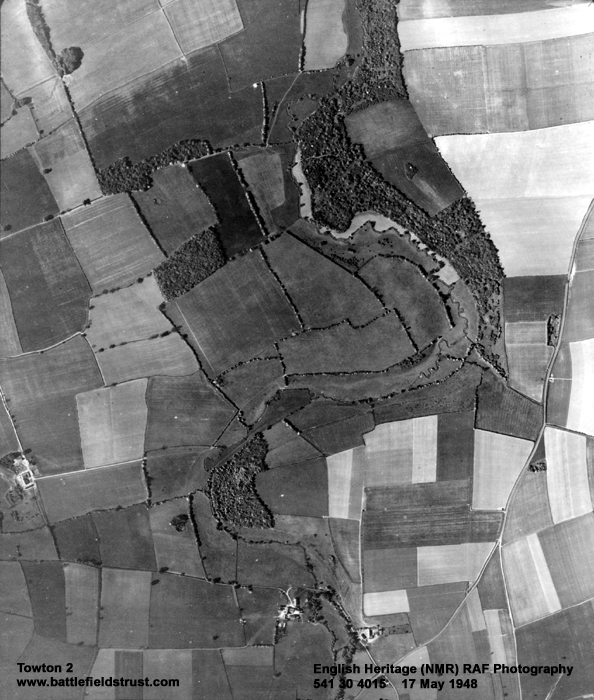
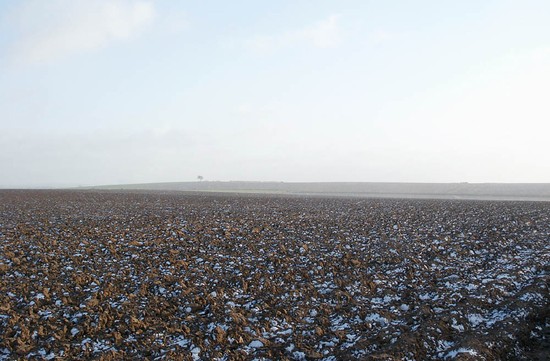
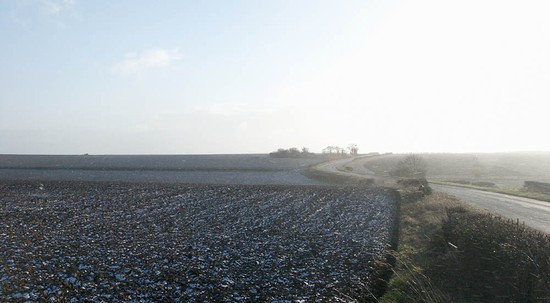
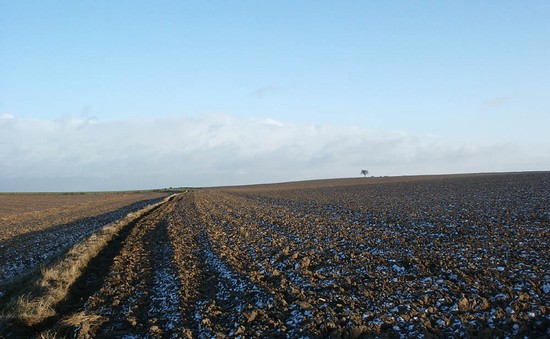
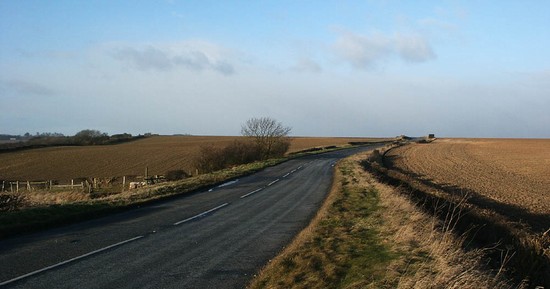
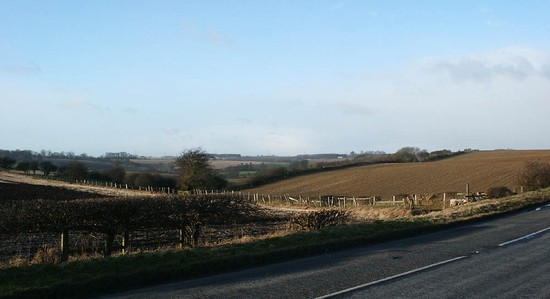
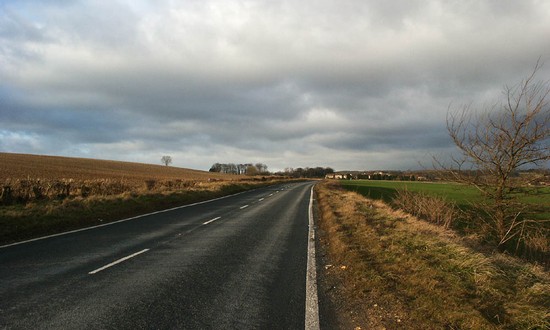
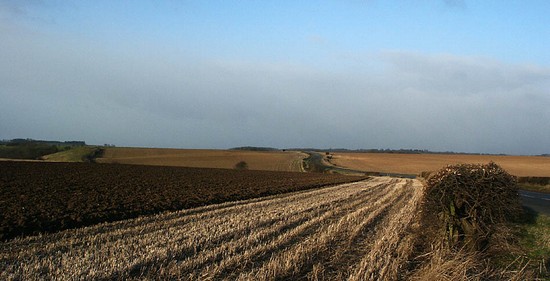
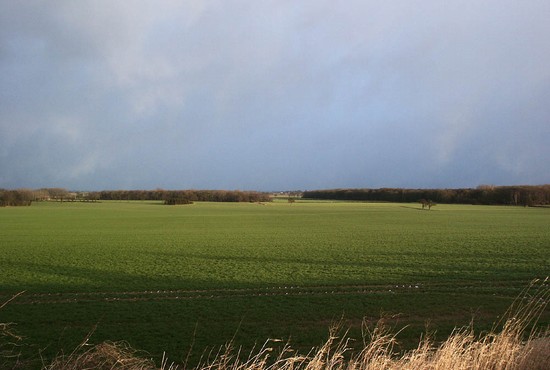
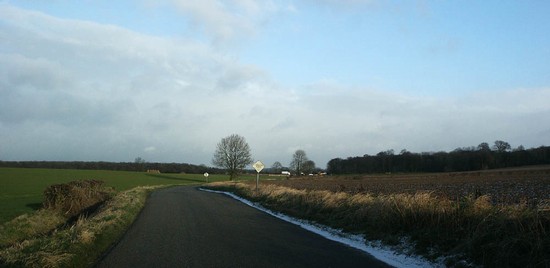
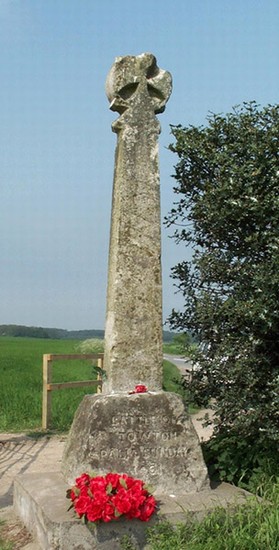
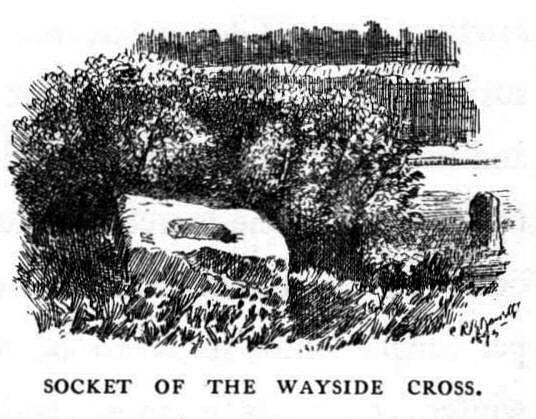
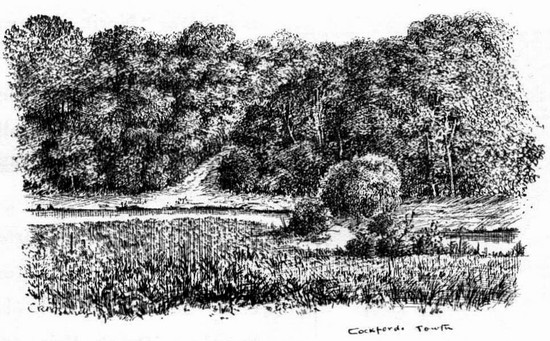
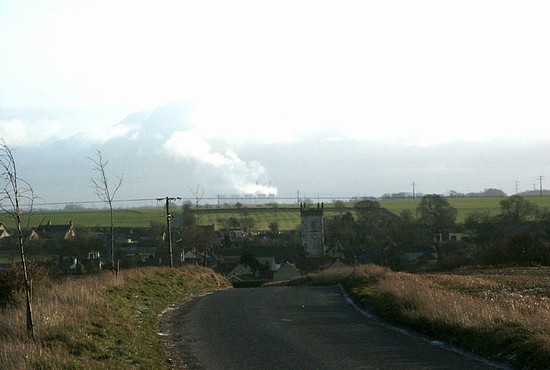
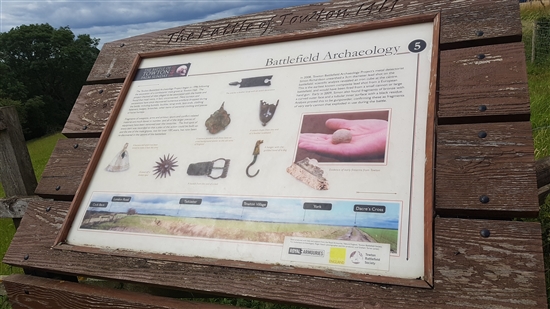
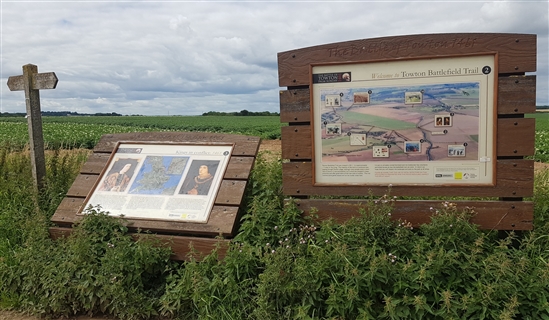
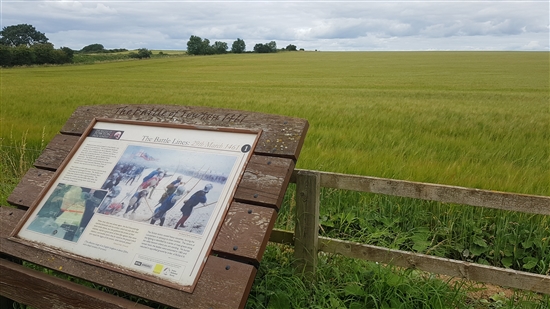
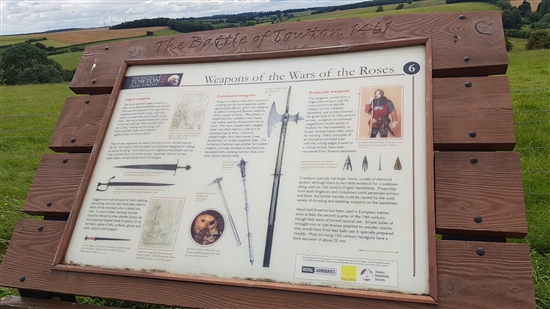
The battlefield on Towton Dale remains undeveloped agricultural land. The open fields of the time of the battle were finally enclosed in the 18th and 19th centuries, but removal of many of the hedgerows in the latter part of the twentieth century has returned the landscape somewhat towards its medieval character. Though two roads, the A162 and B1217, run north-south across the battlefield they are both busy and dangerous to walk. A walking route with interpretation panels has been established by the Towton Battlefield Society starting from the parking on the Lancastrian side, next to the memorial cross (erected in its current position in the early 20th century). This takes the walker either south toward the Yorkist lines or west toward the Cock Beck and then north into Towton village.
- More information on Towton battlefield on the web pages of the Towton Battlefield Society CLICK HERE
- Historic England Battlefields Register CLICK HERE
- Historic England battlefield report for Battle of Towton, 1461